
Mariupol’s Digital Museum: The Preservation of Home
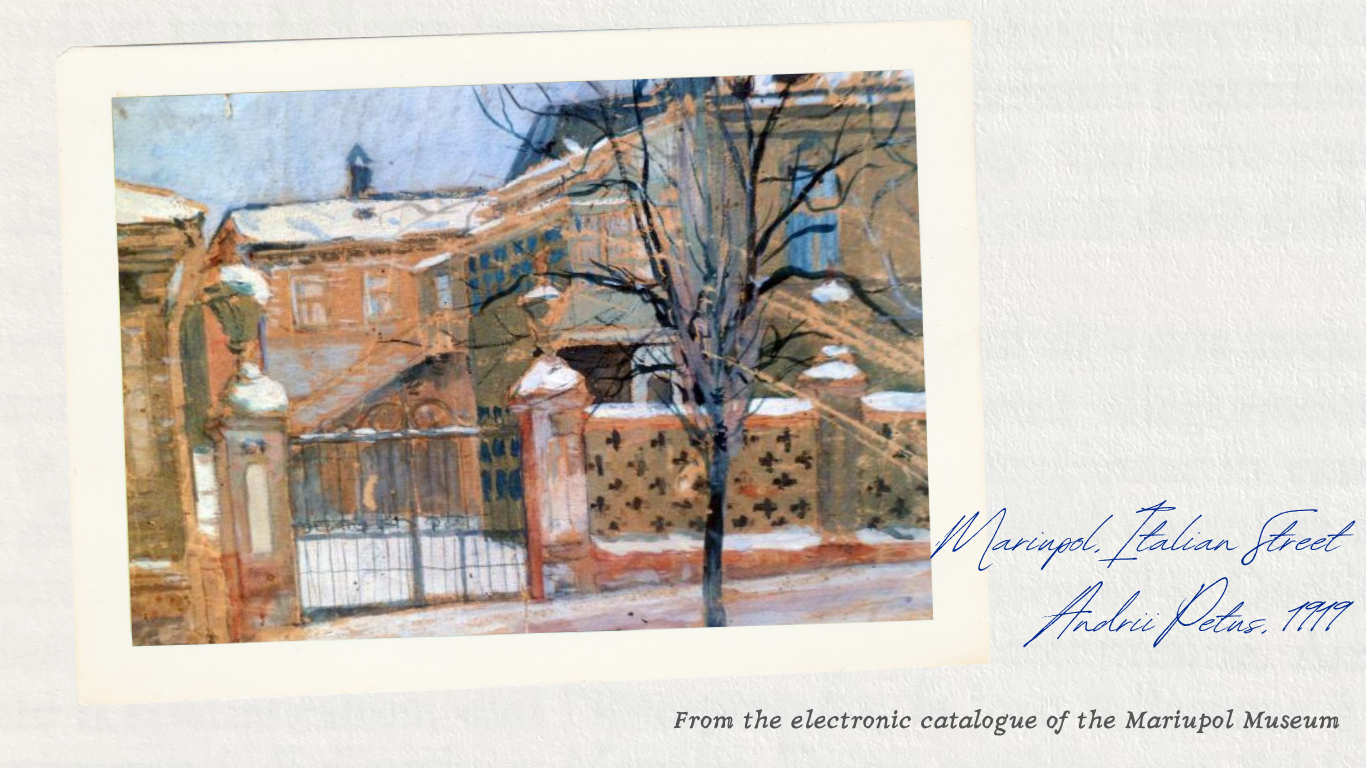
Cultural destruction is never incidental. Legal scholar Raphael Lemkin understood such acts as a key part of genocide, which he defined as ‘a coordinated plan of different actions aiming at the destruction of essential foundations of the life of national groups’. Lemkin argued that acts of physical or biological extermination are typically preceded by cultural destruction—assaults on a group’s symbols, traditions, or religious life.
Lemkin’s warning guides my work at the Raphael Lemkin Society, a Ukrainian civil society organisation committed to safeguarding Ukrainian culture and advancing legal accountability for Russia’s crimes. Today, that commitment includes helping preserve the memory of places like Mariupol—a Ukrainian city once home to many people, a home they now carry only within themselves.
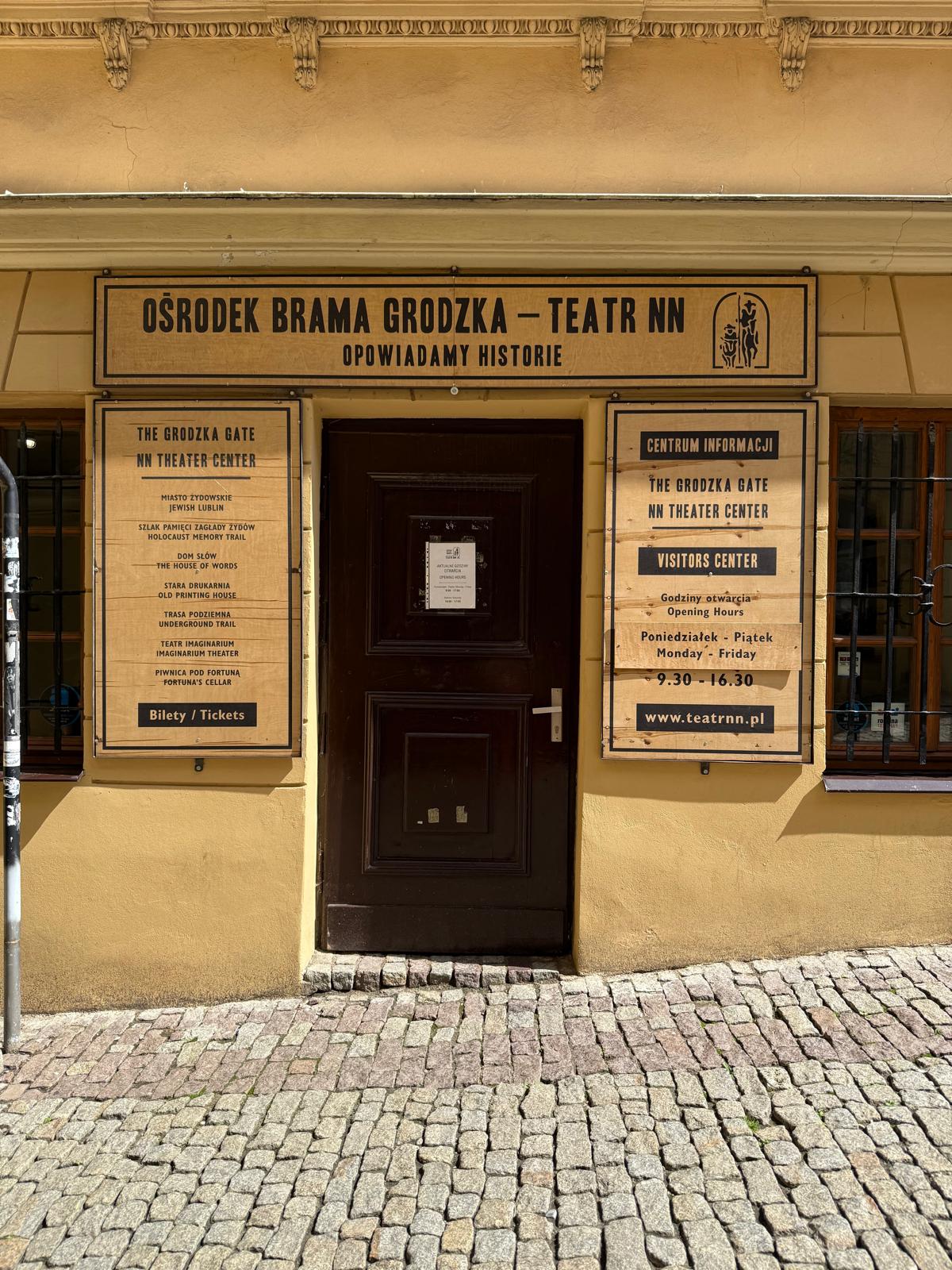
A visit to Lublin, Poland, in 2025 showed me how, after genocide, fragments of a destroyed world can become vessels of memory, belonging, and the soul of a community. There, I visited the Grodzka Gate – NN Theatre Centre, often referred to as the ‘NN Museum,’ an institution devoted to preserving and reconstructing the memory of the vibrant Jewish community that lived in the city before the Second World War. The Holocaust extinguished thousands of lives there. Decades of Soviet communist rule further eroded public memory of that world. The museum now stands at the intersection of loss and remembrance.
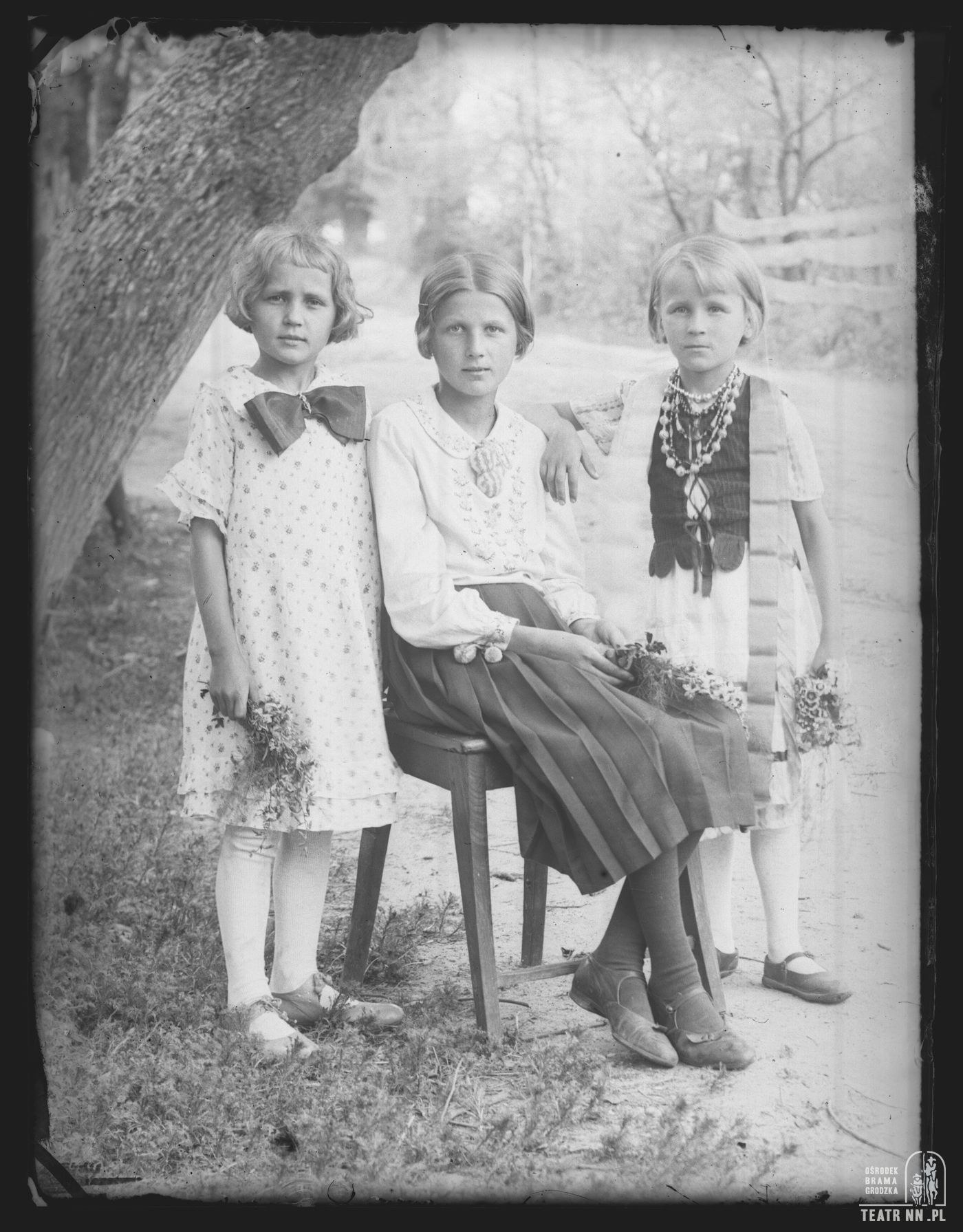
One story in particular stayed with me. In 2010, during renovations of a historic building in Lublin, an architectural engineer made an extraordinary discovery: 2,700 glass plate negatives buried beneath dirt and debris in an abandoned attic.
The plates were later entrusted to the NN Museum. They were painstakingly cleaned, preserved, and digitised. Taken between 1914 and 1939, the photographs document Jewish life in Lublin before the Holocaust: families marking milestones; tailors and clerks at work; students and teachers; sports clubs; soldiers in hospital wards; community fire brigades; and the 1930 opening of the Lublin Yeshiva. Among them were 36 images of gravestones in the New Jewish Cemetery, preserving names that might otherwise have been lost entirely.
Archival research suggests the negatives were likely created by Abram Zylberberg, a local Jewish photographer and craftsman. Without preservation, both his authorship and the lives he documented might have vanished without a trace. Instead, through documentation and care, fragments of a destroyed world became accessible again.
That story no longer feels like distant history to me, especially when I think of one of the Raphael Lemkin Society's key partners, the Mariupol Museum of Local Lore.
Before Russia’s full-scale invasion in 2022, the museum held nearly 60,000 objects documenting the history and culture of Mariupol and the Azov region. Today, it has been left without most of its holdings. It is difficult to imagine a museum without a collection, without even a building to call home. Yet this has become its reality.
The museum’s century-old buildings, recognised as heritage landmarks in their own right, were torn open by strikes and now bear the physical scars of the assault. Catalogs were destroyed and nearly 90 percent of the collection was damaged, lost or transferred following the occupation of the city in March 2022. Former museum director Oleksandr Hore recognised individual items in reports broadcast on Russian television, where it was stated that artifacts from the Museum of Local Lore had been taken to occupied Donetsk.
The removal of the museum’s objects was not an isolated act of wartime looting. It belongs to a much longer imperial pattern. For centuries, Russian imperial institutions appropriated Ukrainian artistic and intellectual achievements, recasting artists and subsuming regional histories into a centralised imperial narrative that erased local agency. The attack on the Mariupol Museum of Local Lore follows this pattern.
Now operating in exile, the museum team has worked to salvage surviving records of its collections. Hore, a historian who devoted two decades to the institution and survived the siege, spent two years reconstructing photo archives, inventory lists, and collection files from the materials that remained. Under the leadership of current director Mariia Sliota, the team, in collaboration with the Raphael Lemkin Society and other partners, developed a public digital catalog of the museum’s lost collections.
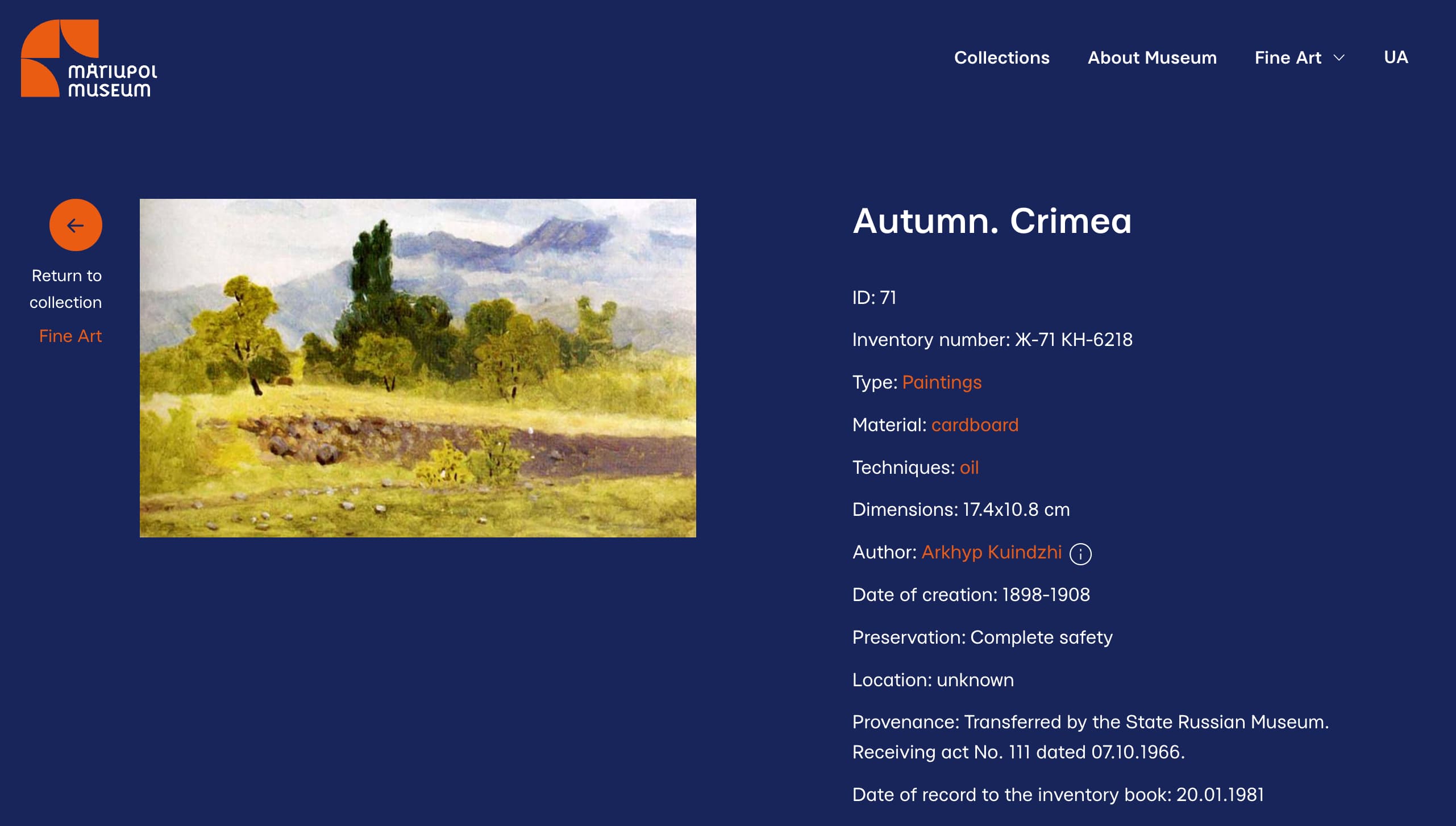
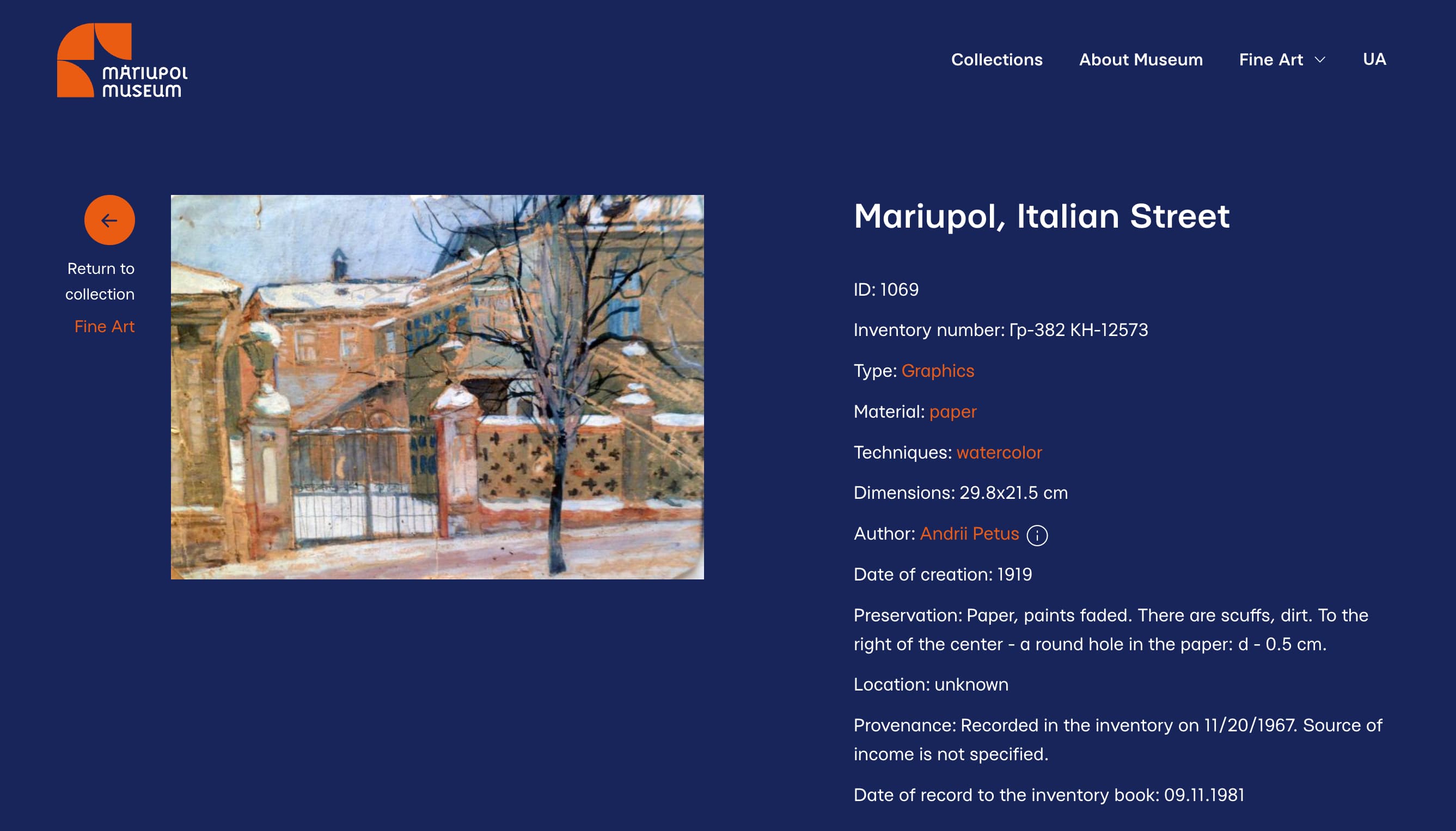
Before the full-scale war, the museum’s holdings reflected the richness and complexity of the region. Its collections included archaeological finds, ethnographic materials, archival documents, and artworks shaped by centuries of migration, trade, industry, and creativity. Today, the digital catalog presents the museum’s painting and graphic art collections, comprising approximately 1,700 works by 532 artists. It features works by Arkhyp Kuindzhi, Ivan Aivazovsky, and Lev Lahorio, alongside many others. Over time, the platform will expand to preserve and provide access to art, ethnographic, archaeological, and historical collections for researchers and the broader public.
As the first initiative in Ukraine in which a museum documents its own lost property in a public format, it establishes a framework for accountability and future restitution. During the catalog presentation in December 2025, Mariia, the museum's director, stressed that the digital catalog is the museum's core documentary record. ‘We have documented that all of this belonged to us. And when the aggressor state claims that these works are its property, we will be able to prove that this is not true’. The digital catalog provides verified information for legal investigations, strengthens claims of ownership, and reduces the likelihood that displaced works will quietly reappear under altered attribution. It preserves descriptions, provenance, and historical context for objects that may never physically return.
At the same time, the catalog extends Mariupol’s cultural life beyond geography and the present moment. The museum professionals’ knowledge remains indispensable, forming the foundation for preservation and any future recovery.
By documenting what was lost, the project safeguards Mariupol’s cultural heritage within Ukrainian and global contexts and resists Russian imperial efforts to reshape or erase it.
History shows how much such work matters. I think back to the glass negatives in Lublin. For decades they lay hidden in darkness, buried in an attic—the last trace of homes whose owners never returned to claim them. Because someone took those photographs and hid them, someone else uncovered them decades later, and an institution chose to preserve them, people who never lived in that vanished Jewish Lublin can now glimpse its faces, its streets, its homes.
The Mariupol digital catalog performs a similar act. For those like me who have never visited the city, it offers a first encounter—a way to explore artifacts and reconstruct the layered history of a place that remains inaccessible. For others, it offers something closer to a homecoming: a way to return, even briefly, to the ancestral home their relatives fled while trying to survive.
 |  |
Mariia Sliota captured this dual purpose when she said: ‘Most importantly, we preserved our people. They are the ones who will continue to safeguard the memory and identity of this city by the sea.’ Her words echo a line from Victoria Amelina's Dim dlia Doma [A Home for Dom]: ‘Our home is ours as long as it lives within us.’ Preservation, in both cases, is less about objects than about the people who carry them forward.
Through the computer screen, Mariupol becomes more than a headline or a site of destruction. It reemerges as a cultural landscape shaped by generations of artists and communities. The catalog preserves not only objects, but possibility—the vision of a future in which a train once again travels to a liberated Mariupol, reconnecting the digital record with physical space. Until that return is possible, it keeps the city's cultural presence alive, open to study and remembrance.