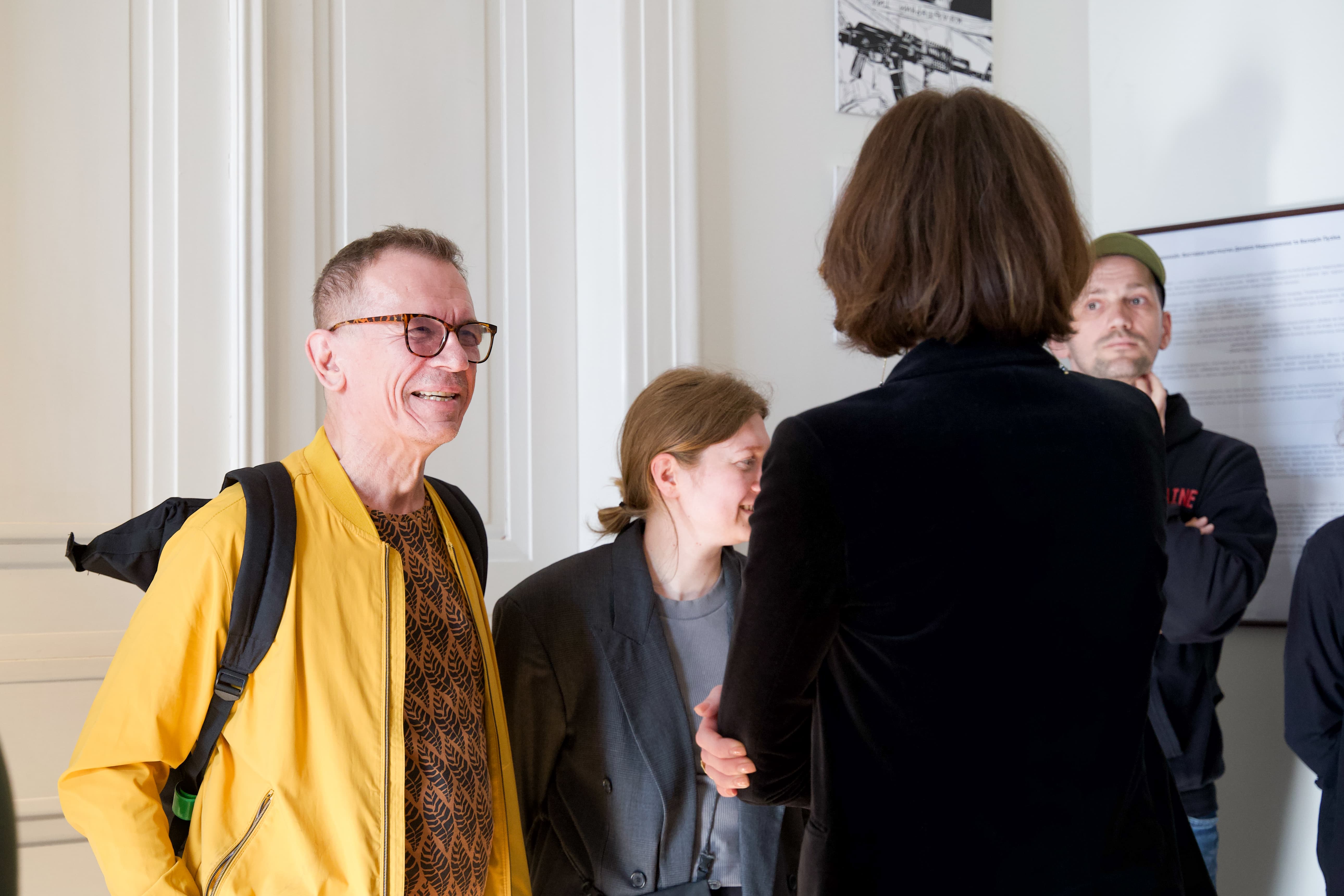
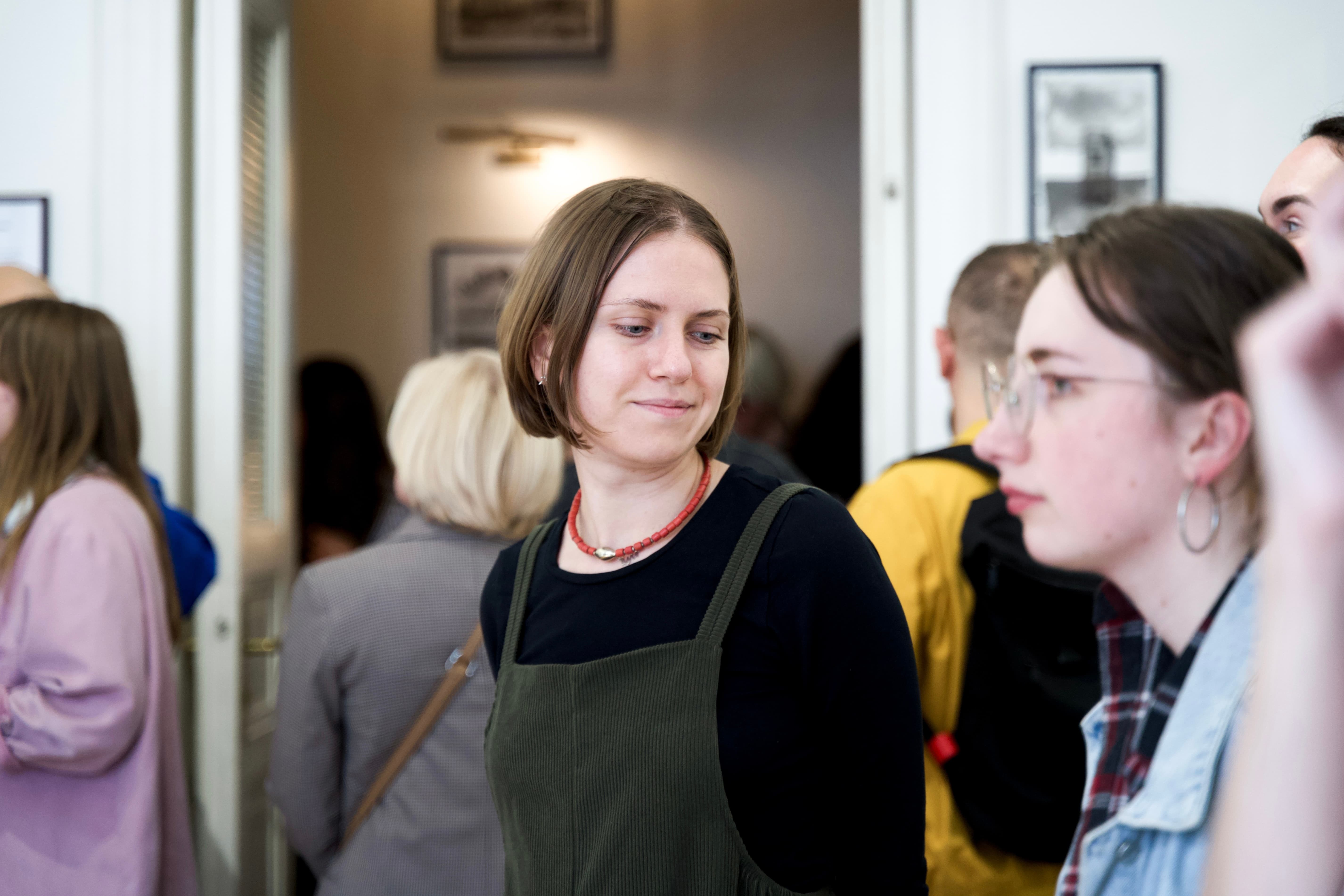
‘More complex shades begin in the rear.’ ‘Monochromacy’, a joint exhibition by two servicemen, opens at the INDEX space
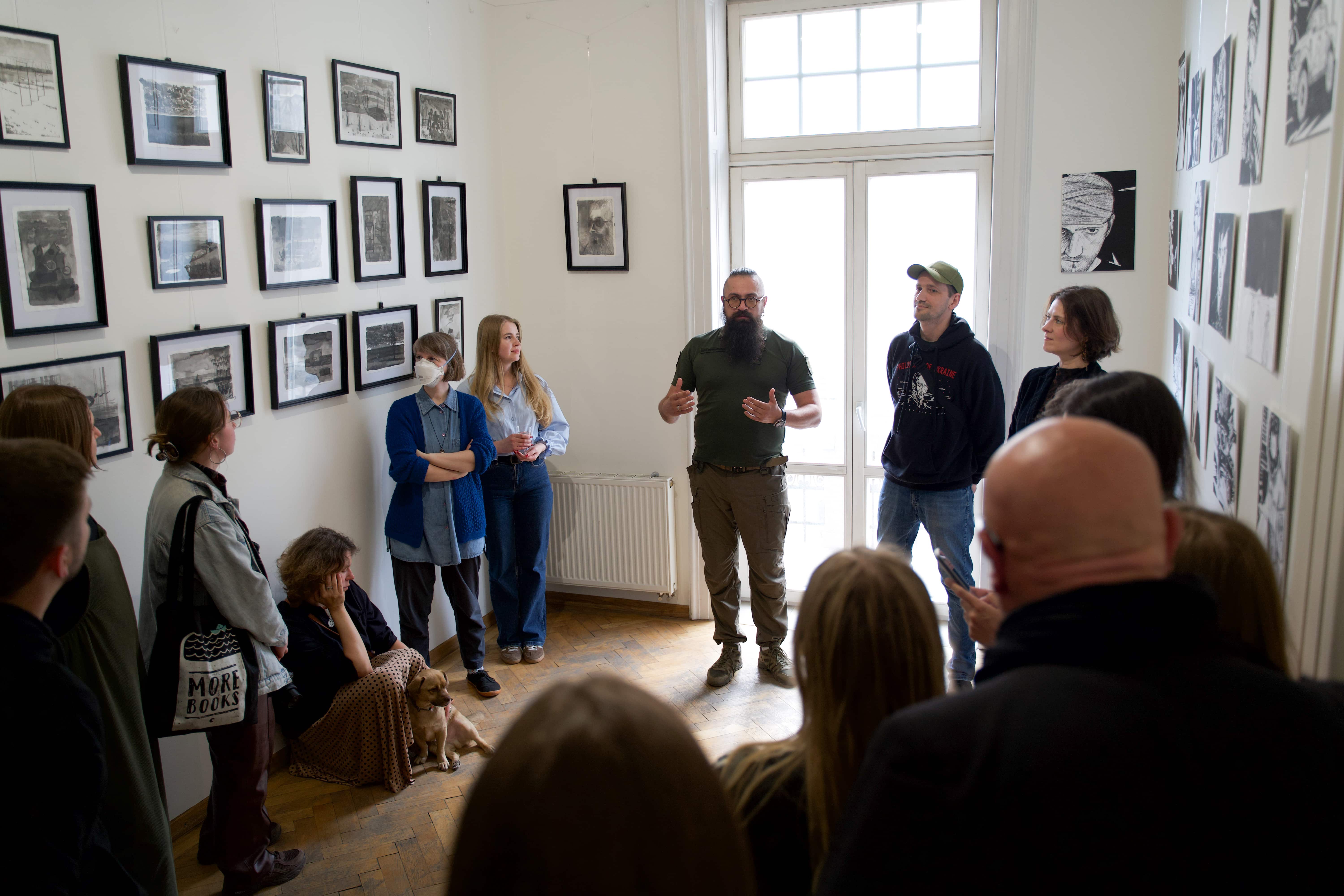
Photo: Tanya Bots
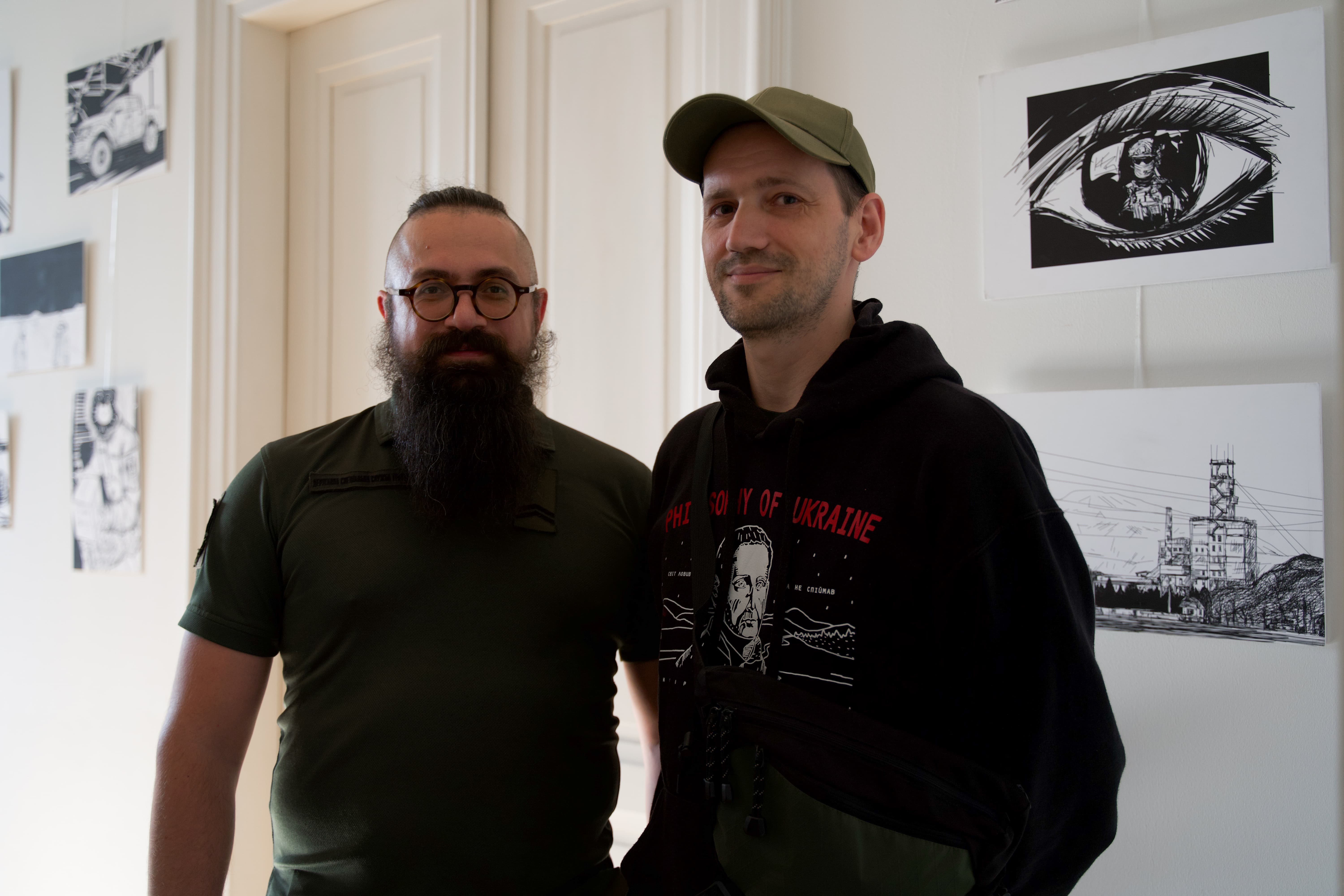
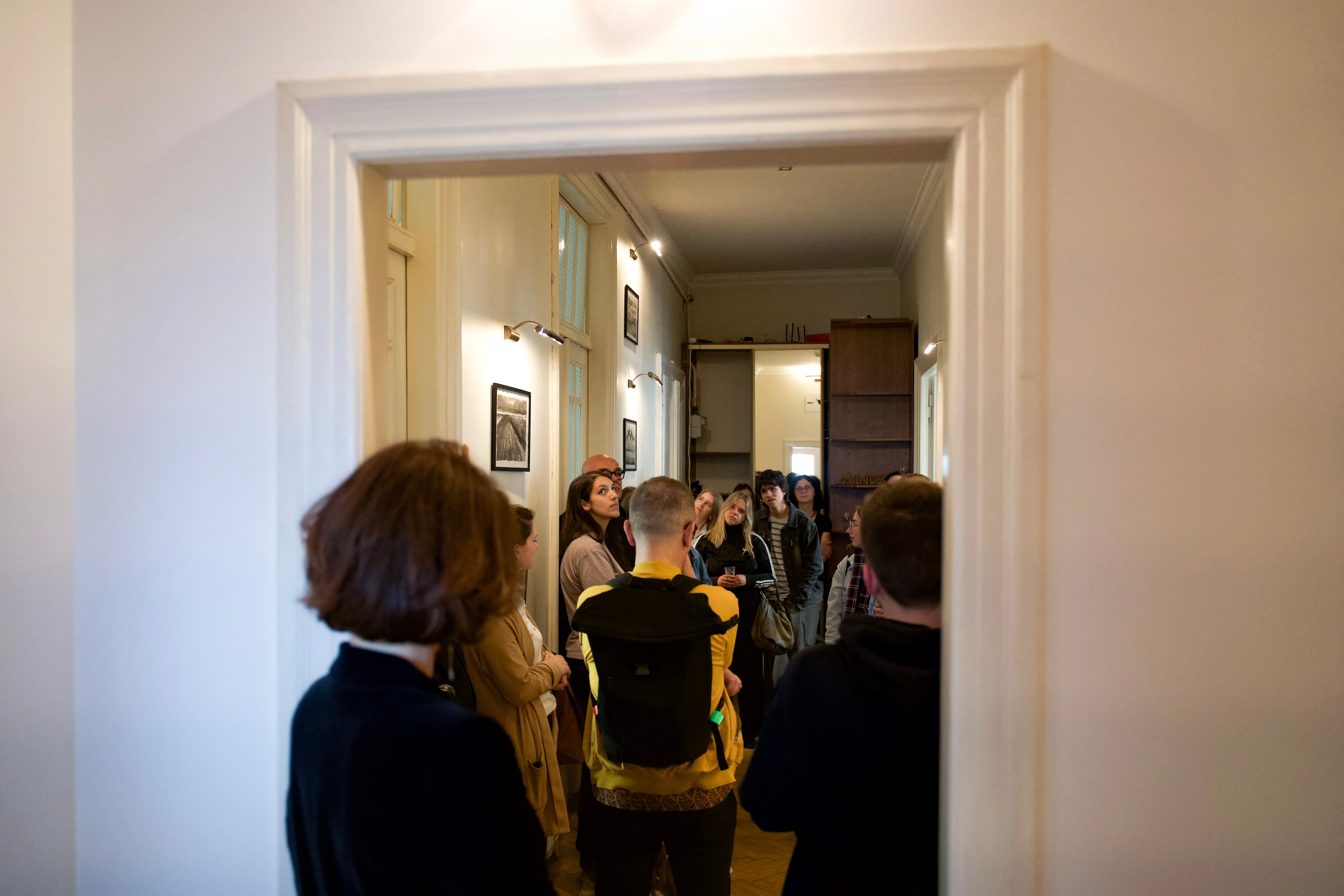
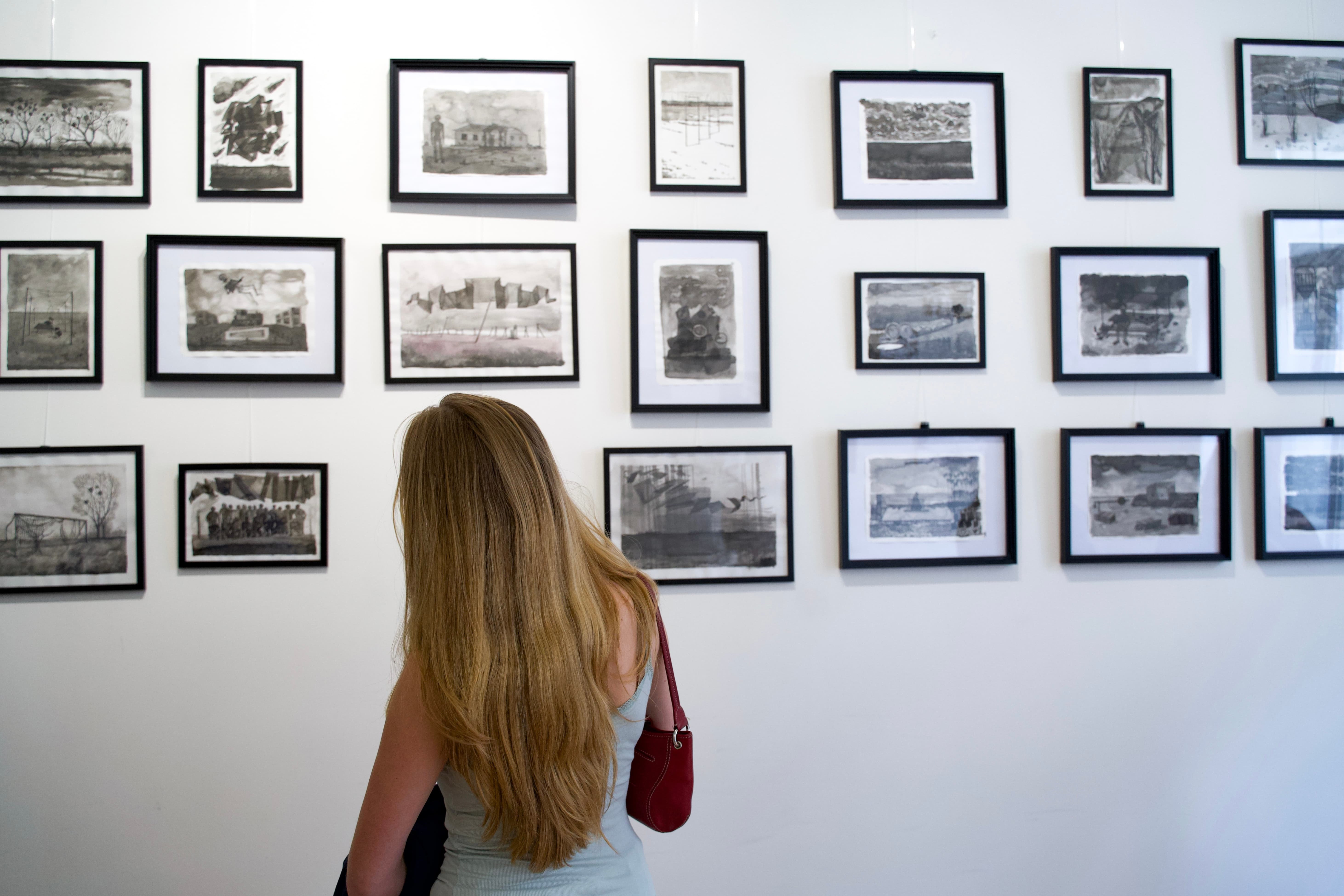
A new exhibition of graphic works opened at the INDEX cultural research centre on 15 June. Distinct in style yet connected in vision, black and white became the common ground between Nedoluzhenko’s painting and Puzik’s book graphics. The exhibition's title, Monochromacy, refers to a biological term where certain capacities are restricted to give precedence to others.
In nature, monochromacy is a colour vision deficiency where a person sees the world either in shades of a single colour or in gradations of grey. In animals, this phenomenon is an evolutionary optimisation that helps conserve energy and sharpen vision. Today, in times of war, soldiers apply the same optimisation measures so as not to lose sight of the enemy.
Nedoluzhenko’s paintings as artefacts of different eras
A soldier’s vision is black and white, everything is very simple for us: there are the enemies over there, and our guys over here. There it’s bad, here it’s good. More complex shades begin in the rear.
Denys Nedoluzhenko
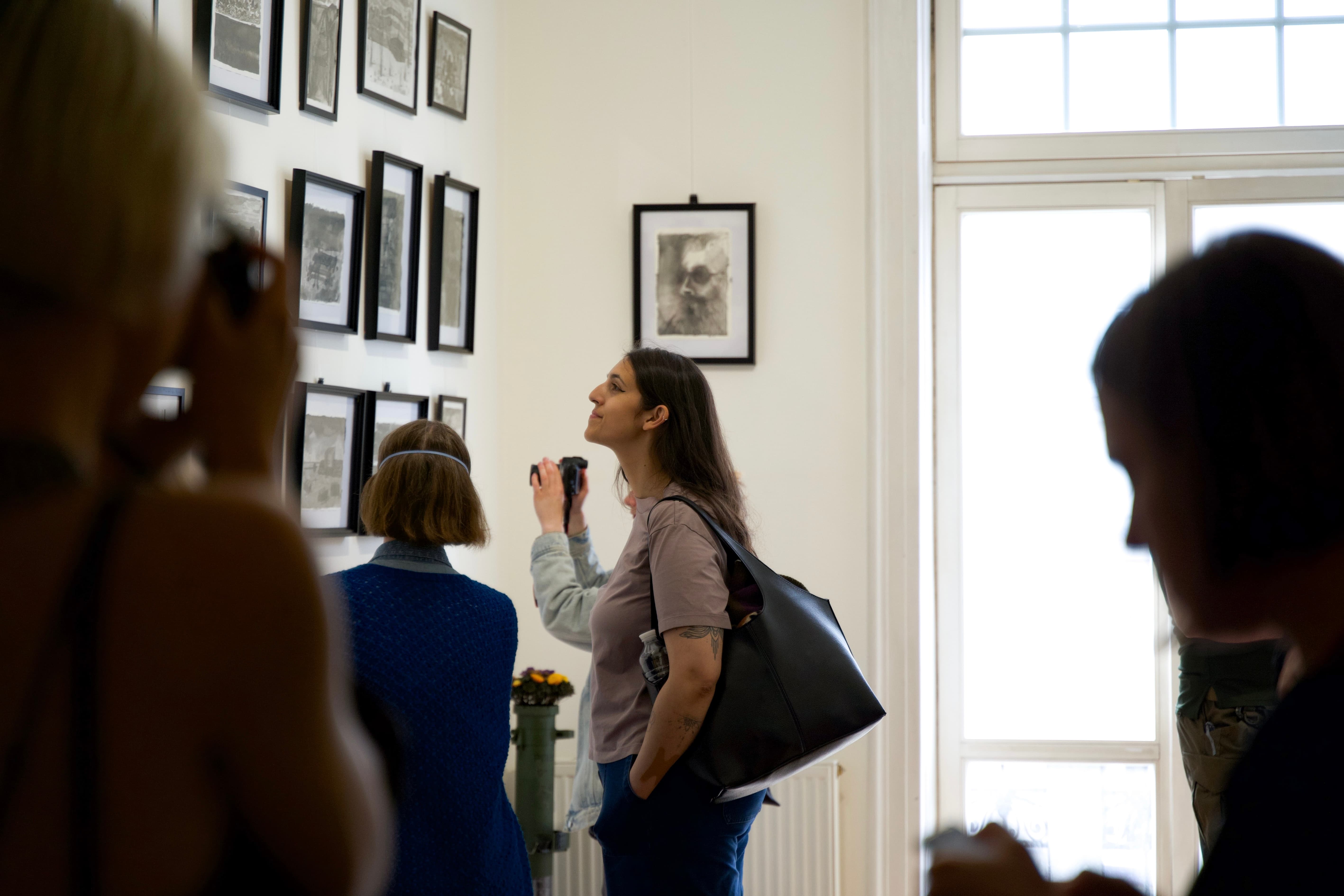
Artist and serviceman Denys Nedoluzhenko shared during the opening that he began creating his ink graphic works last year. The artist usually works with oil painting, but due to the lack of time and materials in the combat zone, ink proved to be practical: it is always at hand, dries quickly, and is easy to transport.
I thought I would use up one pack of paper and stop. Then my wife sent another pack, and another, so the series continues. It will probably drag on until my demobilisation.
Denys Nedoluzhenko
Each illustration is titled Landscapes with its own serial number. Nedoluzhenko calls his works a diary—all of them are connected to his military service, whether it is a defensive line or a unit digging a trench.
There is one recurring element in my paintings that I use to convey crumpled time and space, like paper. Sometimes we are thrown into such forgotten villages that you don’t understand what era they belong to. There are artefacts from different times: something modern, something ancient, and there are no people anywhere.
Denys Nedoluzhenko
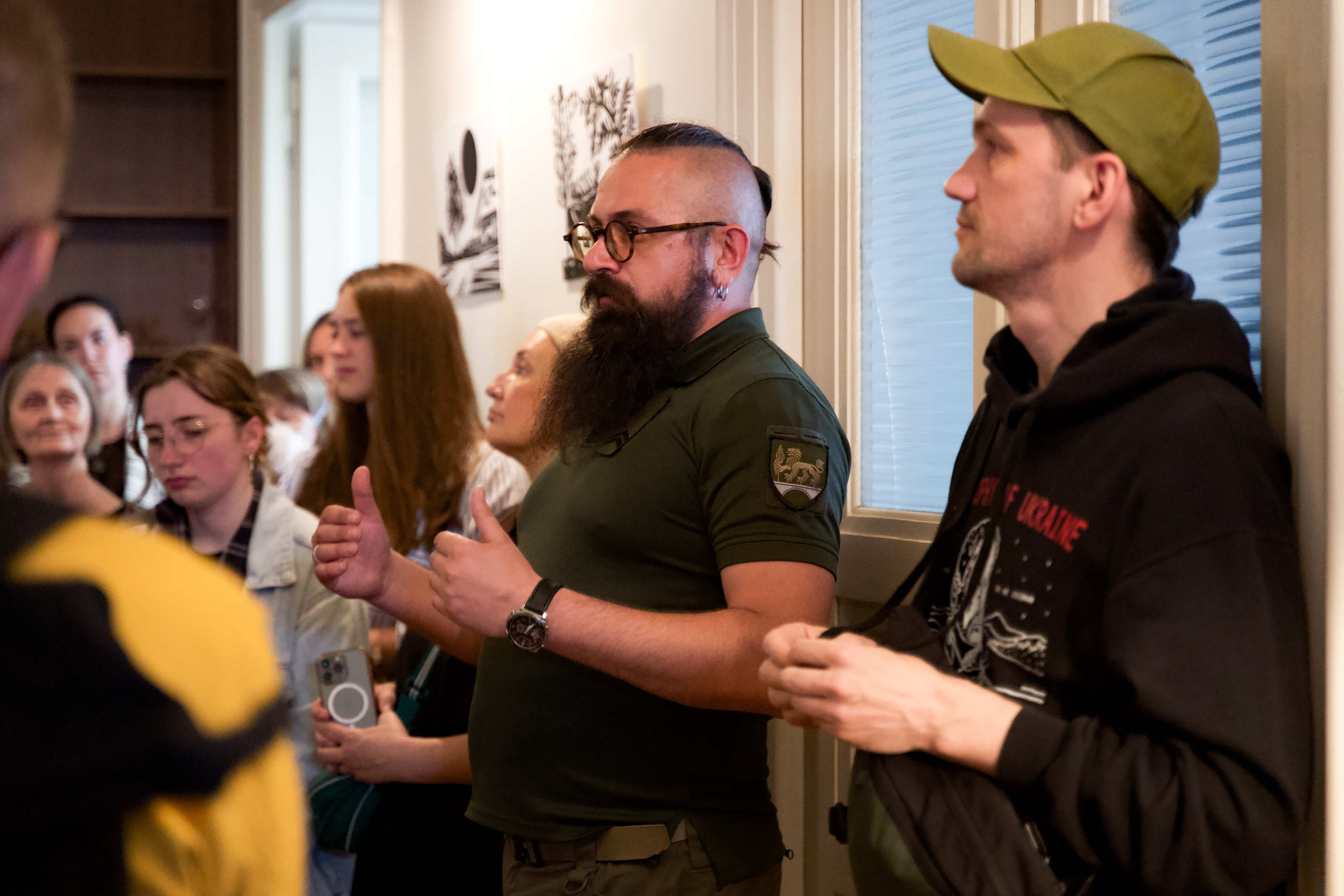
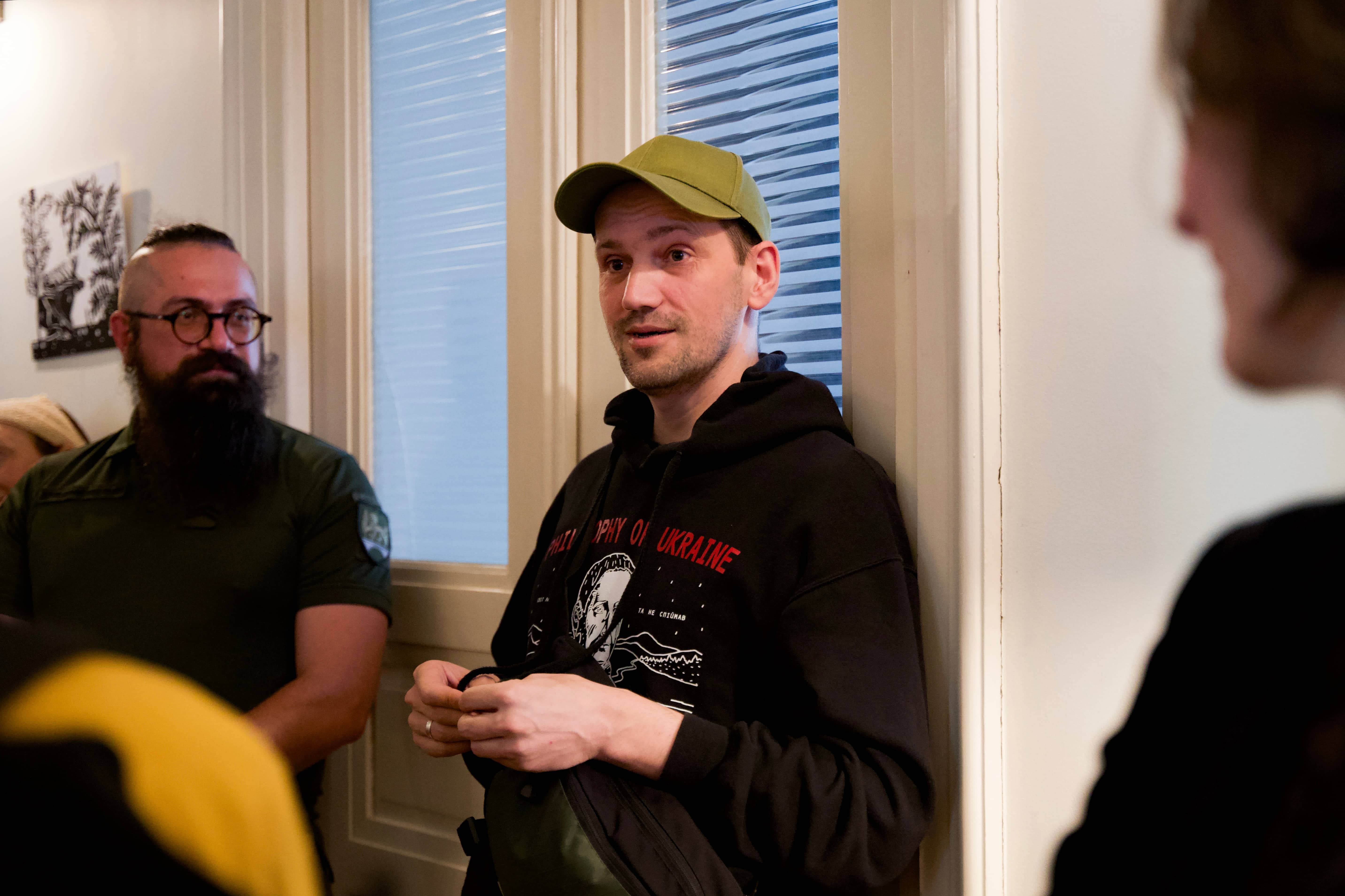
Valeriy Puzik: ‘By my personal military standards, a painting is a commodity’
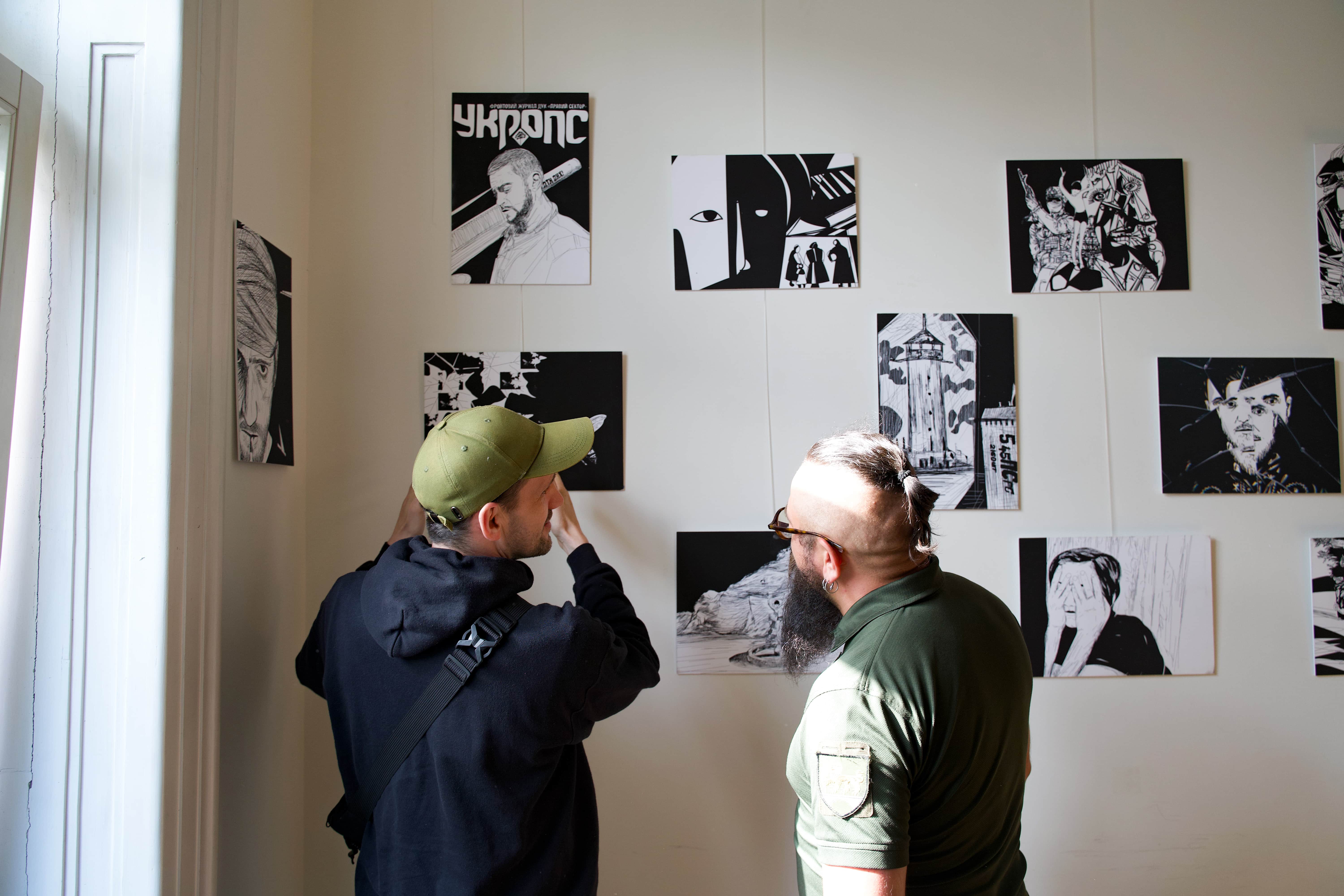
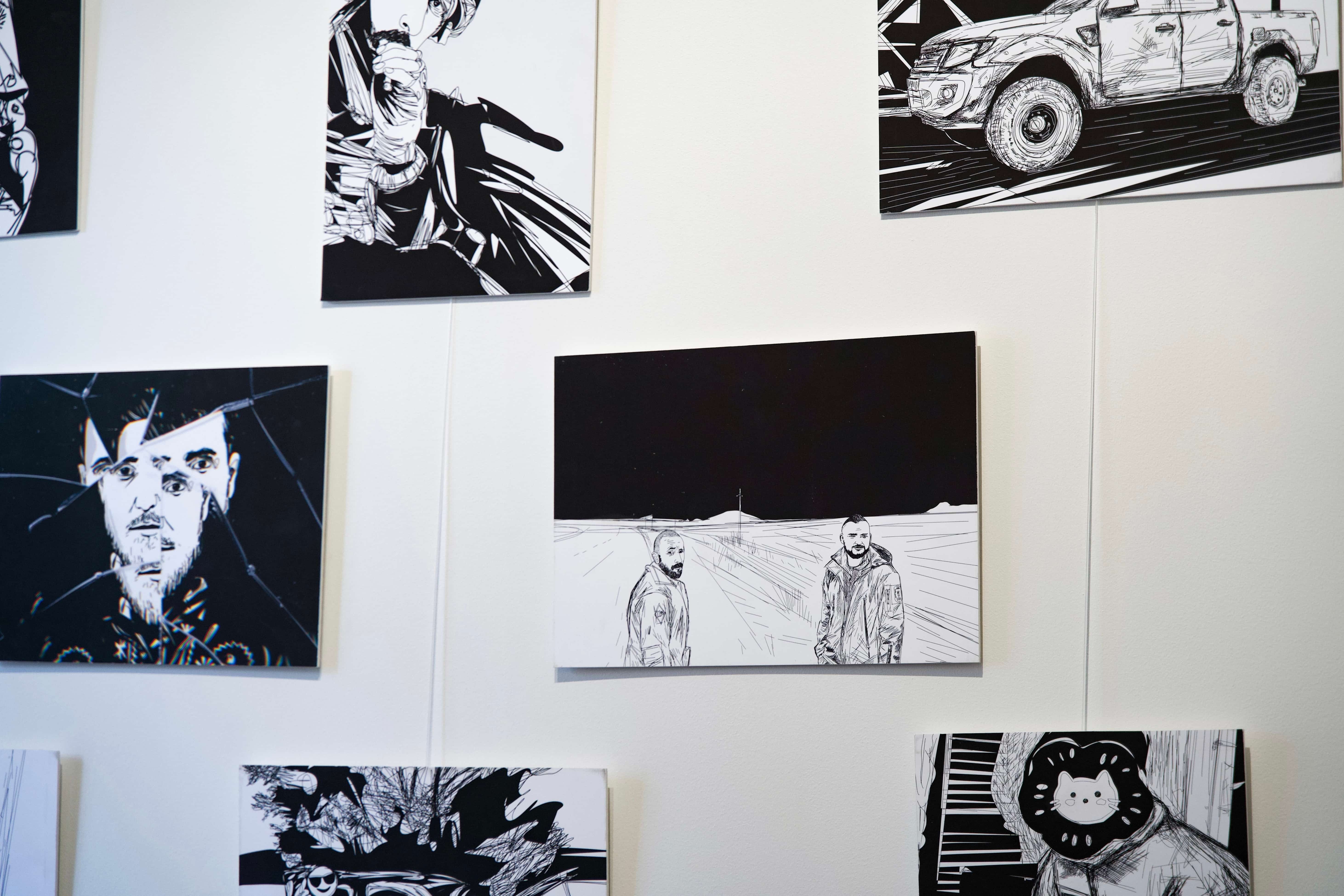
Valeriy Puzik’s digital book graphics consist of works created between December 2024 and January 2025 for Serhiy Rubnikovych’s The Book of Unwanted Consequences and for the artist’s own book, Who We Were.
For Rubnikovych’s collection, the artist decided to combine paintings by famous Ukrainian and international artists, framing them with elements of the contemporary Russo-Ukrainian war. Both series were created at a temporary deployment base (PPD), in a ventilation shaft in Zaporizhzhia, where the artist was forced to stay during frequent air-raid alerts.
I couldn’t take a canvas to the dungeon, but I had a tablet given to me by my cousin. He had immediately installed two illustration programmes. I started drawing graphics, and this had been happening sporadically since 2022. Back then, there was plenty of time in the ventilation shaft. So, that basement turned into one of my best art residencies.
Valeriy Puzik
For Puzik, art is now another tool of resistance. His paintings often help the military by raising donations and paying for essentials. Once, the command noticed the artist painting and sent him to dig trenches as a punishment. There, the artist painted a picture that managed to fund a vehicle for the military.
April 2022. I bring paints into the barracks for the first time, a whole box. I start painting, the guys laugh, like, look at this fool. And then we gave a painting to one group of volunteers, then to another, and we got military gear that we didn’t have before. Because by my personal military standards, a painting is a commodity that you can barter for whatever you want.
Valeriy Puzik
As part of the opening, visitors also had the opportunity to view an interactive VR visualisation of the cells where Russia holds Ukrainian civilian prisoners, created by the Media Initiative for Human Rights (MIHR). It is based on drawings by Serhiy Ofitserov, a civilian from Kherson who was abducted by Russia 2.5 years ago. The remaining details were reconstructed from the testimonies of hundreds of former captives, both civilian and military, interviewed by MIHR.
The exhibition ‘Monochromacy’ will be open for viewing from 15 June to 28 August. Admission is free. Opening hours:
Mondays and Fridays: 16:00 – 18:00
Wednesdays: 11:00 – 13:00
The project is funded by the ERSTE Foundation.