
‘I was too late to film my hometown’. Stories about the wartime childhoods of teenagers from the Donetsk region
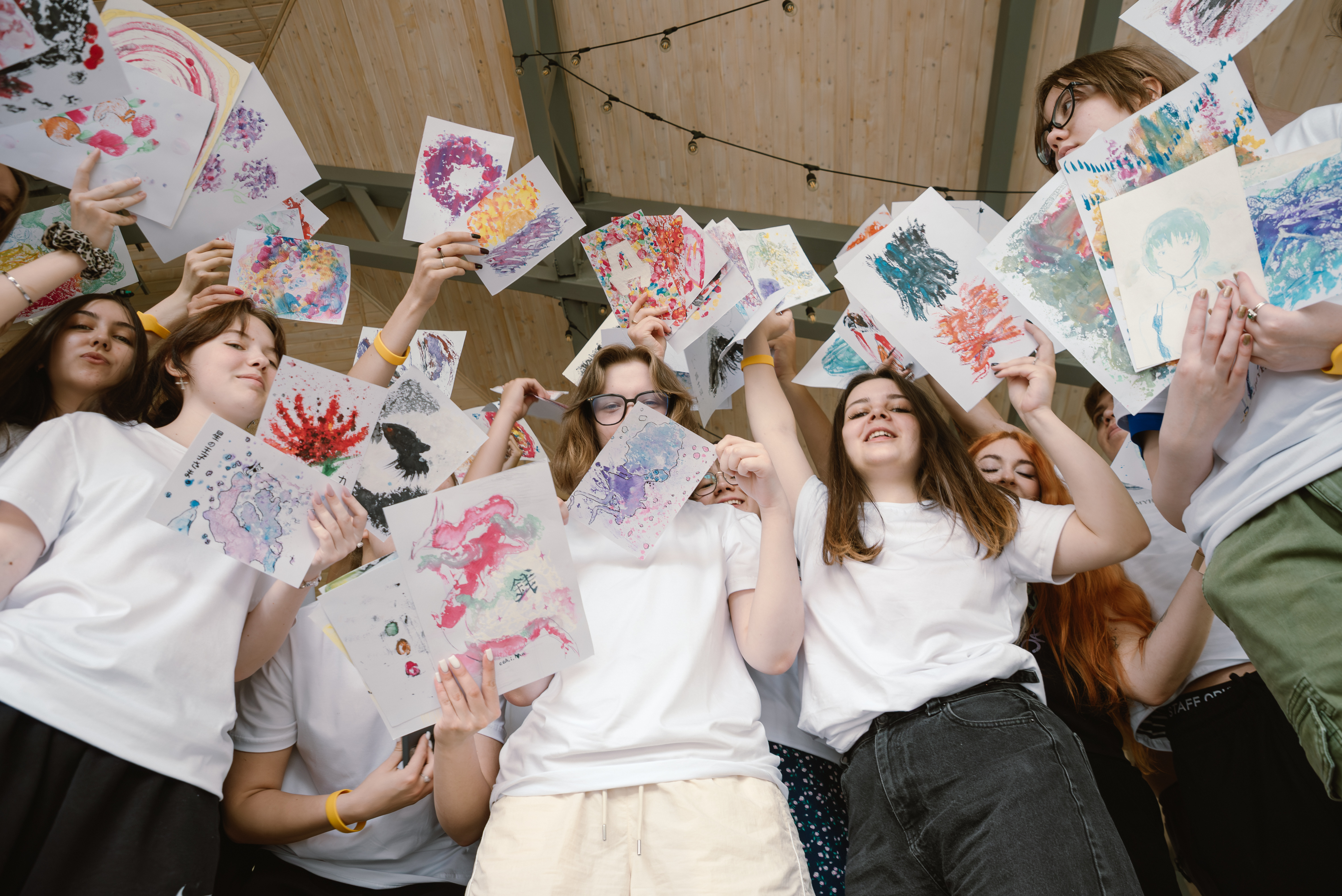
The New York Literary Festival (NLF) was first held in the autumn of 2021. It was founded to support the local community of New York, a village in the Donetsk region located just a few kilometres from the front line at the time. The village is currently under Russian occupation.
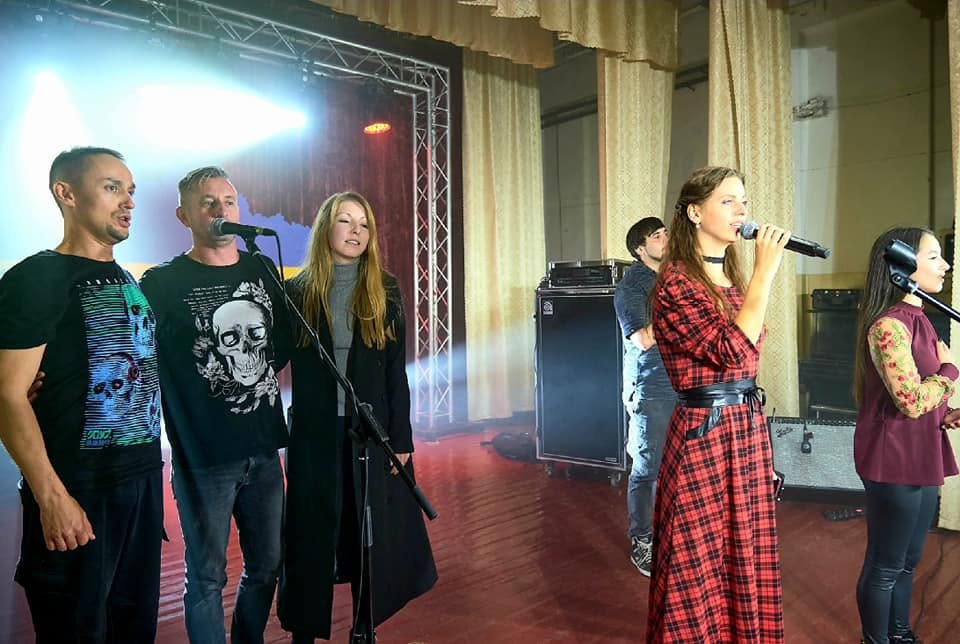 From the archive photo collections of the New York Literary Festival
For local schoolchildren, cultural events were not a regular part of life. Which is why the NLF brought writers, musicians, artists, and film directors to the town, along with books and heartfelt conversations about art.
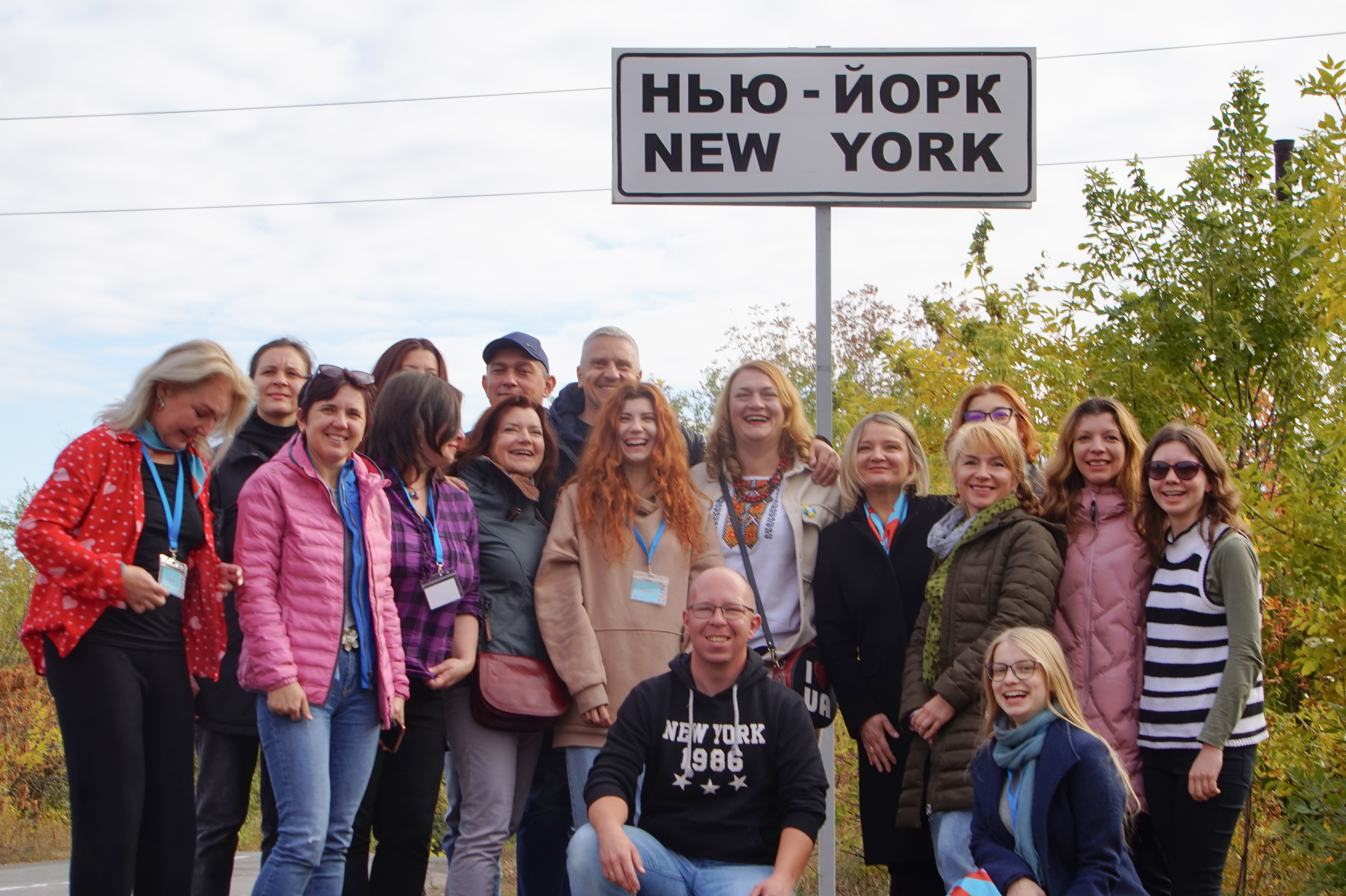 The team and speakers at the New York Literary Festival
The festival was founded by Viсtoria Amelina, a Ukrainian writer and war crimes investigator at Truth Hounds. She established the NLF as a space where young people from frontline communities could express themselves, be heard, meet their role models, and take their first steps in writing under the guidance of leading professionals. Viсtoria was fatally wounded in a Russian missile strike on Kramatorsk on 27 June 2023.
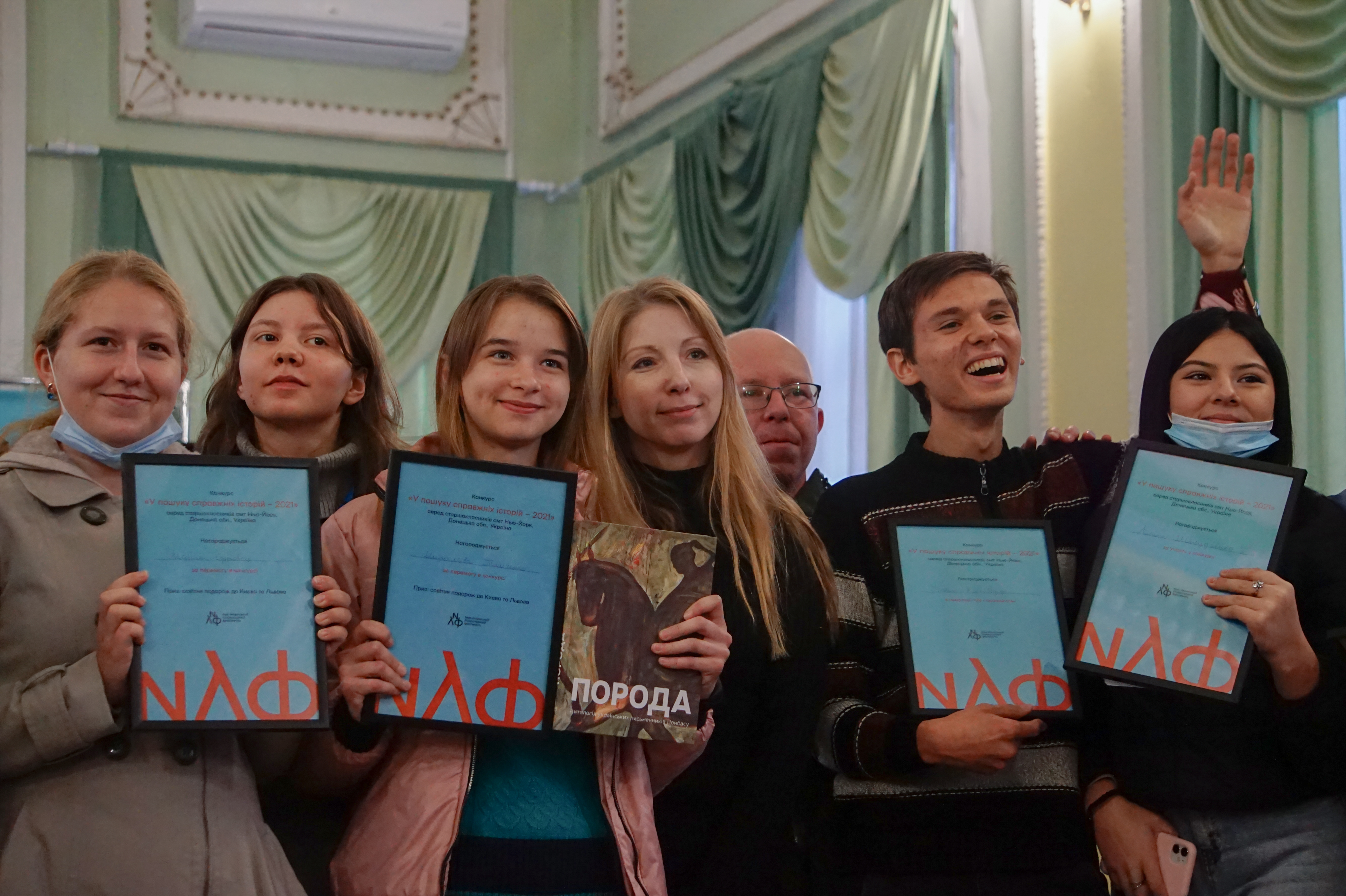 Victoria Amelina with the first winners of the New York Literary Festival competition
The festival has grown steadily: having expanded its reach from New York to the Bakhmut community, this year’s competition now covers the whole of Donetsk region. The organisers of the NLF are continuing Viсtoria’s work — seeking out and supporting new voices, personal reflections, and honest writing about the lives of today’s young people in Ukraine’s war-affected areas.
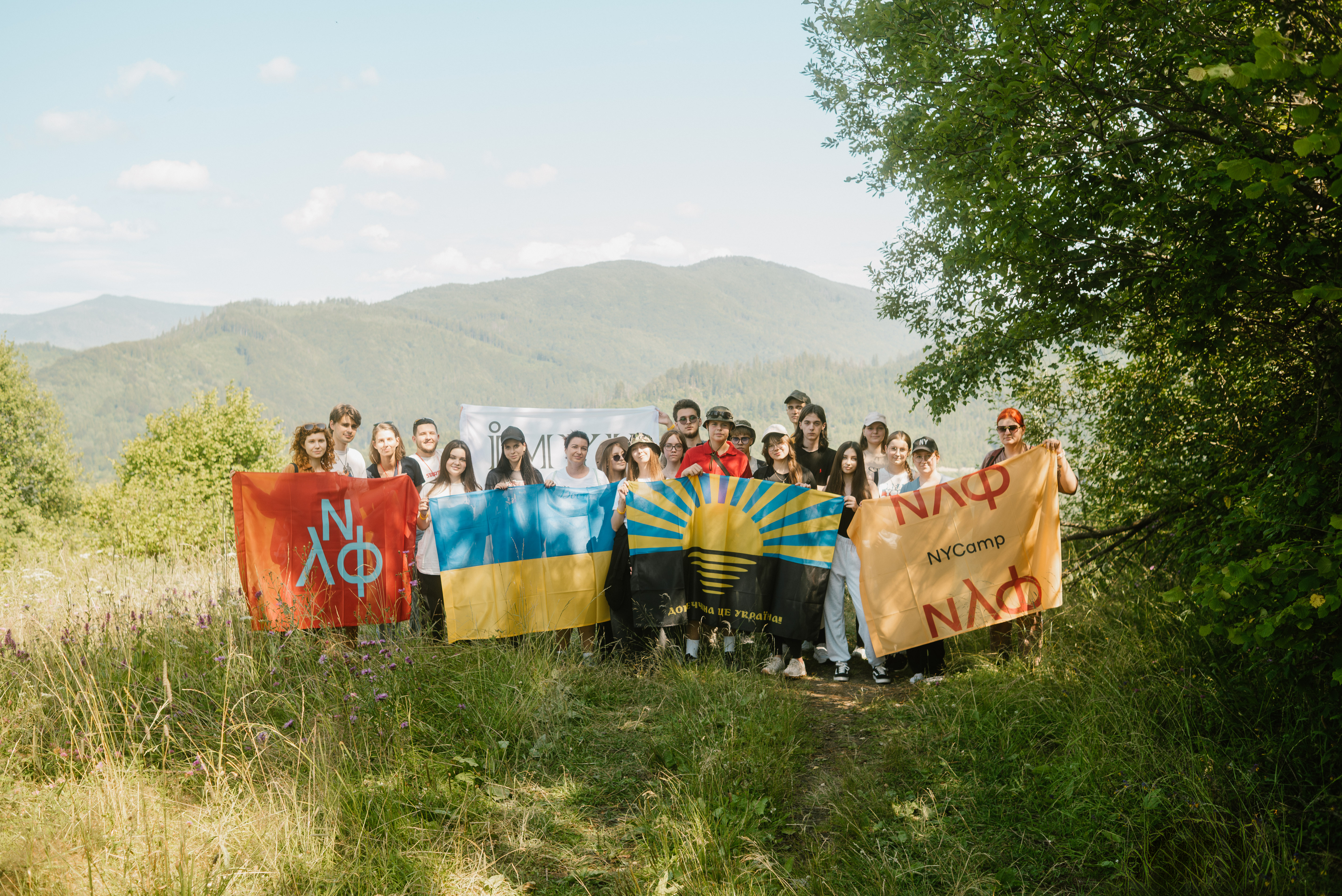 NLF participants
As part of the festival, NLF held an essay competition for teenagers aged 13–17. In 2026, they received 90 entries featuring pieces where young people write about their hometowns and villages, memories of lost homes, and what gives them strength today. Some reflect on the future, others on Ukrainian music or literature, while others try to process what 'home' means when you can never go back.
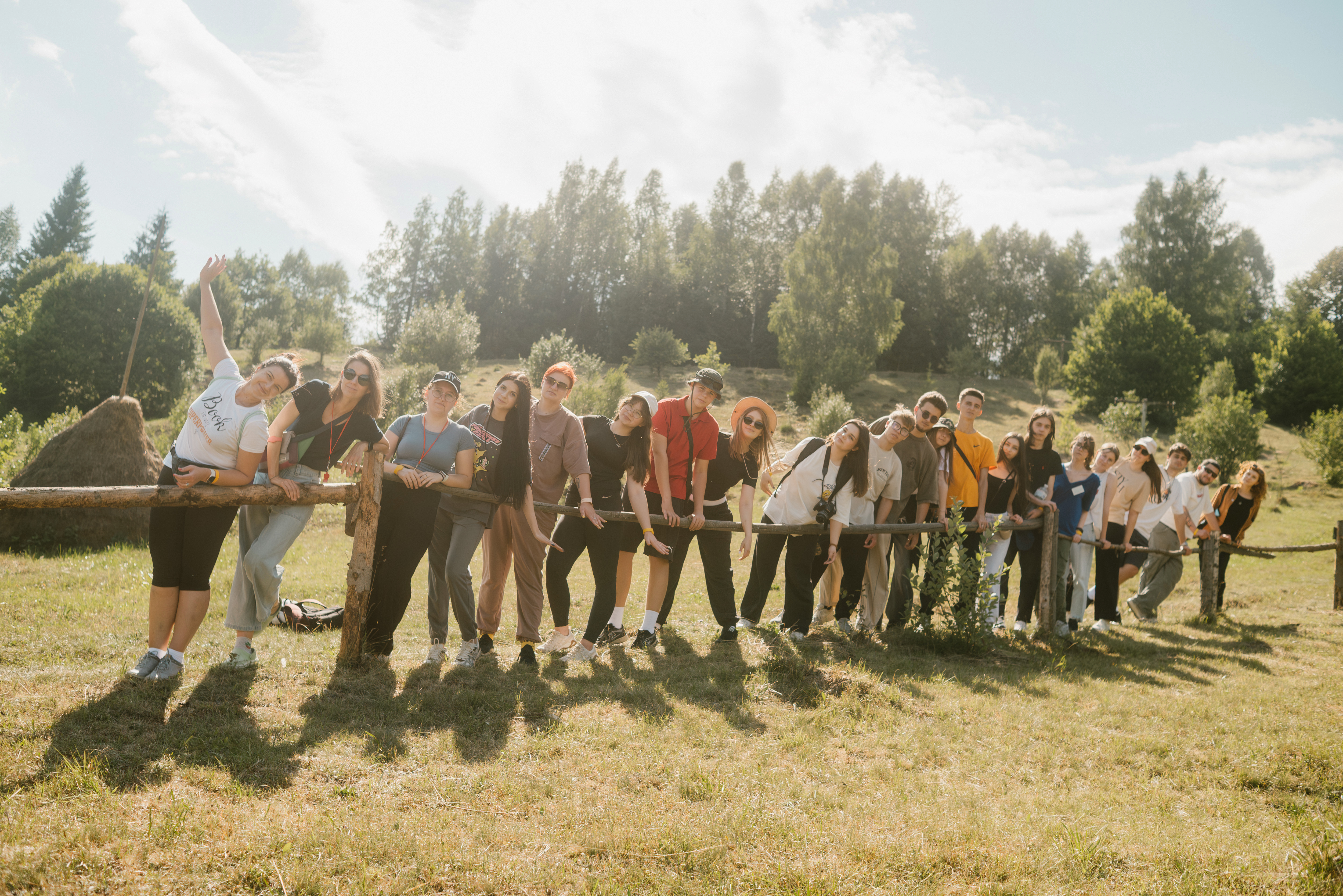 NLF participants
My childhood was filled with simple things that seemed ordinary back then, but have now become priceless... Whenever we travelled to Sloviansk, I would always sit by the window and look only at them—those endless expanses of wheat and sunflowers. I looked as if I were trying to memorise every single detail: how the wind swept in waves across the golden ears of grain, how the sun rested on the yellow petals of the sunflowers, and how the sky seemed deeper and wider right above those fields. And back then, as a very young girl, I felt something that words simply cannot explain.
Anastasiia Babak
My name is Davyd Antokhov, I am 14 years old. I was born in the town of Debaltseve. In 2014, because of the war, we were forced to move to Chasiv Yar. We lived happily there until 2022, when the full-scale invasion began. Chasiv Yar left very bright memories in my heart: studying at the music school, training at the stadium, and summer fun at the Dniprovskyi pond. It is a very cosy, heartwarming town where everyone knew each other by sight.
Davyd Antokhov
I want to become a film director, and right now I'm making documentary videos about young people, personal growth, and myself. The more I work with a camera, the more strongly I feel one thing: I was too late to film my home town. I regret not documenting Soledar back when it was a part of daily life.
Mariia Bilytska
Soviet propaganda tried to hammer the myth of 'one people' into people's heads. Because such a burden fell on our parents' shoulders, building a country almost from scratch, the question of culture was put on the back burner, and it just continued to develop on its own. Few stopped to consider whether our culture, specifically Ukrainian culture, was important, or if it even existed at all.
Bohdan Lynevych
Ukrainian culture is about authenticity, simplicity, and complexity; about meaning, about 'belonging', about standing 'for' and 'disagreeing'; about freedom and protest; and above all, about us.
Sofiia Svyrydova
Read more of the teenagers' thoughts, memories, and personal stories in Ukrainian in the full essays on the New York Literary Festival website.