In her narys, ‘To Know Donbas’, Dr Channell-Justice shares memories of cities she has never visited herself, yet knows intimately through the interviews with locals during ethnographic research of the region and studies of internal displacement in Ukraine.
By Iryna Zaporozhets, a member of the NGO "Civilians in Captivity." After Russian forces abducted her father, she became active in advocating for the rights and release of unlawfully detained Ukrainian civilians.
Eva Peek, Victoria Amelina Fellow 2025 at INDEX and Dutch journalist, writes about the emotional and existential complexity of her time in Ukraine.
A text by the Raphael Lemkin Society, dedicated to the jurist who coined the term genocide — a reminder of why naming and recognising mass crimes remains essential for justice today.
INDEX’s Veteran Fellow Yevhen Shybalov argues that only honest, uncensored testimonies of those who fought can prevent future generations from inheriting dangerous myths instead of real knowledge.
Oleksii (Nemo) Palyanychka keeps diaries between theatre criticism and army service, searching for words amidst chaos and silence.
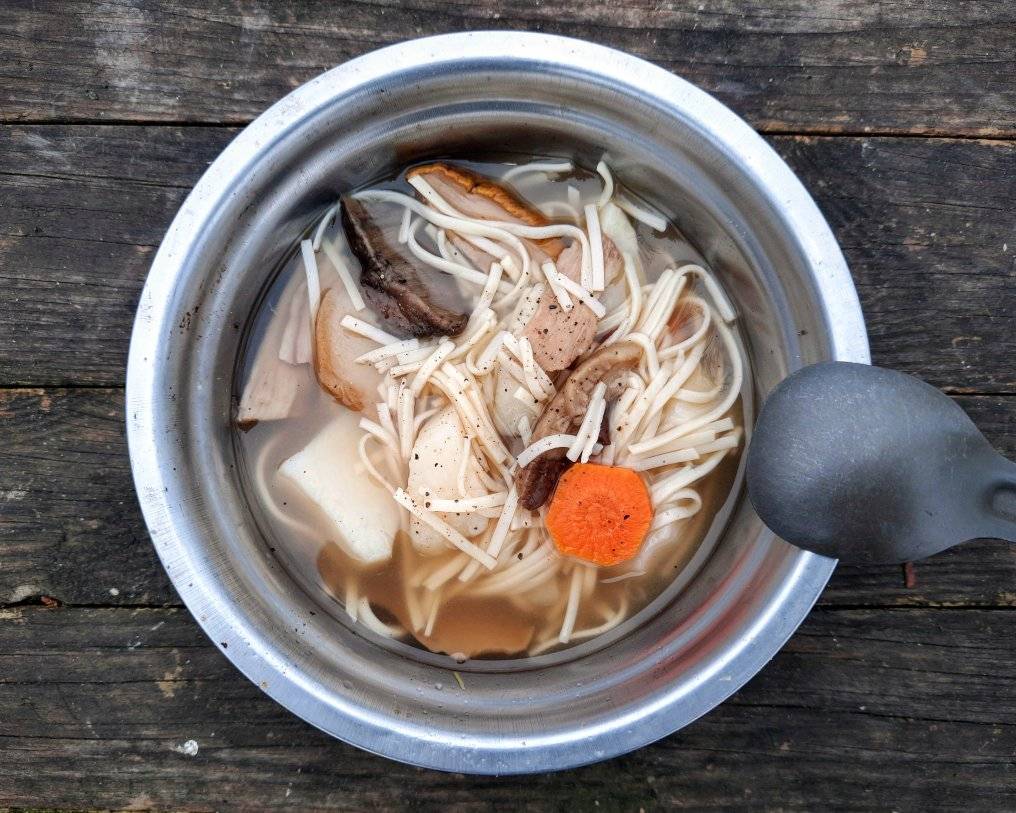
Maria Banko collects recipes and air-raid siren recordings, turning ordinary actions into a way to endure constant tension.
The battlefield sketches of Ukrainian serviceman and artist Ivan Hubenko, whose upcoming exhibition will soon be presented at INDEX space.
How Ukrainian literature serves as resistance to Russian “natiocide”
Documentary poetry, written during the Residency in Lviv by Polish poet, and INDEX’s Scholar in Residence in July, Aneta Kamińska
This piece offer a nuanced reflection on roots and rootlessness, relationship between Ukrainian diaspora and Ukrainians in Ukraine, and how a historian of the post-WWII Soviet Union contributes to the mission of the institution which documents the ongoing Russia’s war against Ukraine.
In a series of diary entries, Kateryna Iakovlenko captures the atmosphere of wartime — from fleeting images and weather patterns to funerals, street scenes, and moments of quiet resistance.